Massage Therapy in Swansea, MA
Your shoulders have been up around your ears for months. Nothing is injured, everything is tight, and it is starting to show up as headaches and poor sleep.
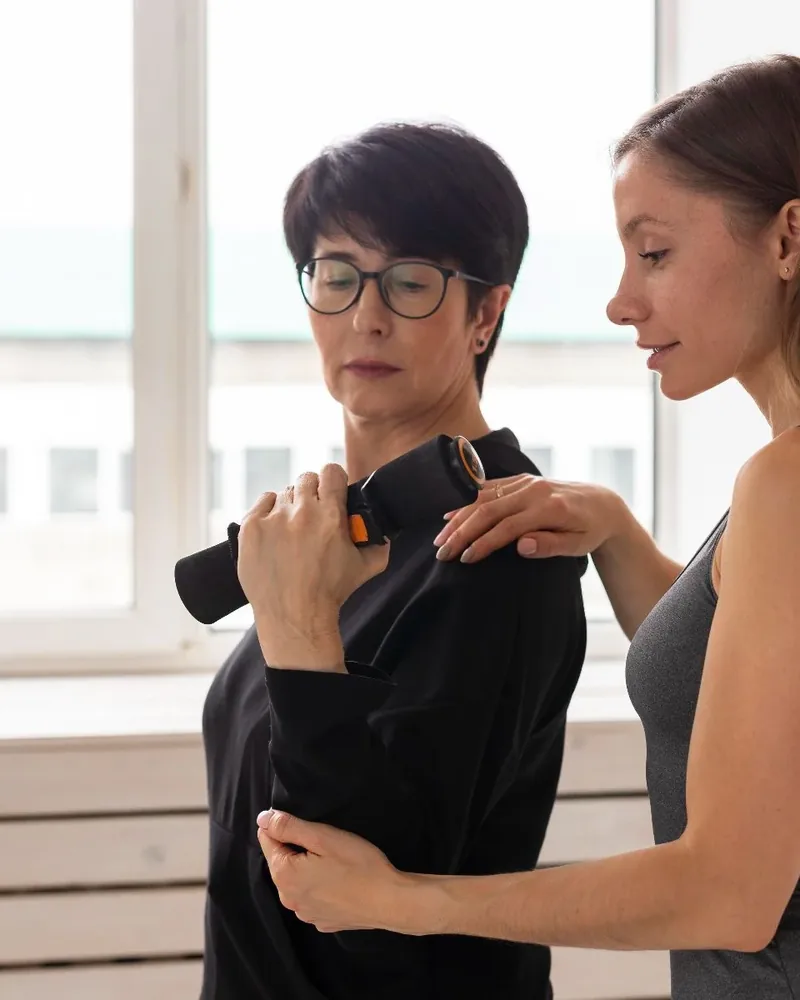
What is massage therapy?
Massage therapy is broad, sustained hands-on work on muscle tissue. Where manual therapy targets one joint and myofascial release waits on one layer of connective tissue, massage covers whole muscle groups using stroke, compression and kneading to bring down resting tone and tenderness. Your therapist works through the muscle in layers: broad strokes first to warm and lengthen the tissue, then deeper deep tissue work into the muscle that is holding, then direct trigger point pressure on the tender spots that reproduce your symptom when pressed. Blood flow through the tissue being worked increases, and connective tissue becomes more pliable, which is why range of motion is usually easier straight afterward.
There is a second effect that is just as useful clinically. Sustained pressure shifts the nervous system out of a guarded state, so muscle that has been braced for months stops bracing. That is why a good massage genuinely relaxes you, and it is also why we use it as treatment rather than as a treat. At the Swansea and Providence offices, massage sits inside a physical therapy plan of care during your 40 minute one on one appointment, and it is often what makes the exercise portion tolerable in the early weeks, when a muscle is still too irritable to load. We make no claim that it removes anything from your bloodstream. What it changes is muscle tone, tissue pliability, and how hard your body is guarding.
Who it's for.
Massage earns its place when muscle tone itself is the problem, or when tissue has to become tolerant before anything else can happen. Three situations come up most.
Stress has settled into your muscles
A locked jaw, a rigid neck and shoulders, tension headaches most weeks, and sleep that never fully resets. Broad sustained work across those muscle groups lowers the tone they have been holding for months. The outcome we work toward: the headaches thin out and your shoulders stay where they belong between visits.
Regaining mobility after surgery
The incision healed, but the muscle around it is dense, tender and unwilling to lengthen, so every stretch feels like a fight. Massage makes that tissue tolerant enough to be stretched and then loaded. The outcome we work toward: range of motion work stops being the part of your week you dread.
Staying loose enough to keep going
Whether you are training hard or you are an older adult determined not to stiffen up any further, regular soft tissue work keeps muscle pliable between harder efforts and long days. The outcome we work toward: fewer tight spots quietly turning into the next thing that sidelines you.
What to expect in a session.
Massage here is treatment with a target, so the session starts by working out where the tension actually lives.
History and the whole picture
Your therapist asks about your work, your sleep, your training and your stress, and where the tightness shows up worst. Then they palpate the region to separate muscle that is merely tight from muscle that actually reproduces your symptom when pressed. That distinction is what decides where the time goes.
Layered soft tissue work
Treatment opens broad and warms the tissue, moves deeper into the muscle that is holding, and finishes with direct pressure on the specific tender points. You will be asked how the pressure reads on a scale you set yourself. Deep work should be firm and bearable, not something you grip the table through.
Movement and what to do at home
You get up and move the muscle while the tissue is still pliable, because that is when the new length has the best chance of sticking. You leave with a couple of stretches or self pressure points to stop it tightening back overnight, plus the position or habit that keeps reloading it.
Whether massage belongs in your plan gets settled at the evaluation, before a hand goes anywhere. Your therapist goes through your history, what you take, anything recently operated on, and any skin or circulation issue, then reaches for a different technique if soft tissue work is not the right fit for what you have going on. Afterward, skip strenuous exercise, hot baths, saunas and heavy caffeine or alcohol for a few hours, and keep drinking water simply because it helps you feel better. Mild soreness for a day is normal after deeper work, and worth mentioning at your next visit.
Zach P and the whole Specht team are the best. I travel 45 min each way and even though there are closer options, I wouldn’t go anywhere else. The one-on-one care is outstanding.
Where to go next.
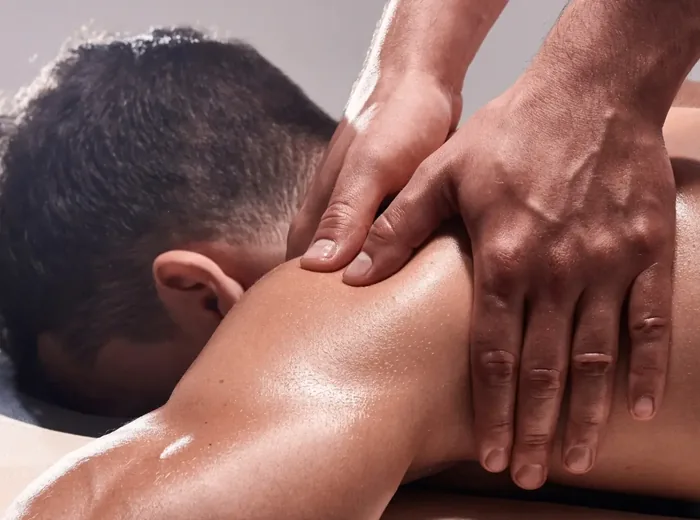
Myofascial Release
Sustained pressure through restricted fascia to give the tissue its glide back.
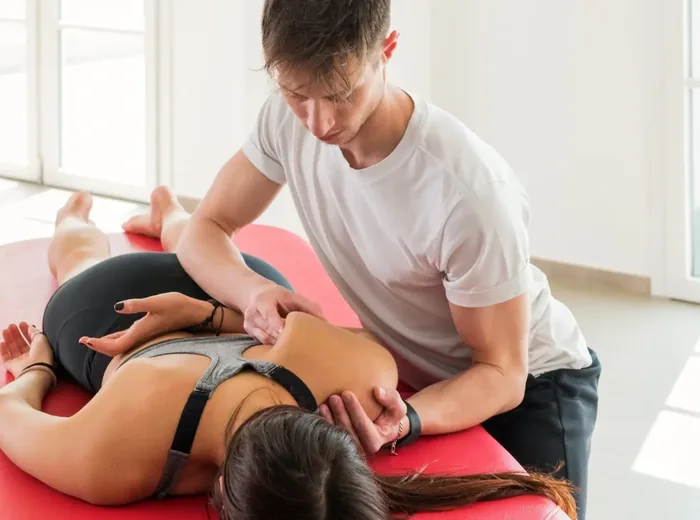
Manual Therapy
Hands-on work to restore motion where the joint or tissue has stopped moving well.
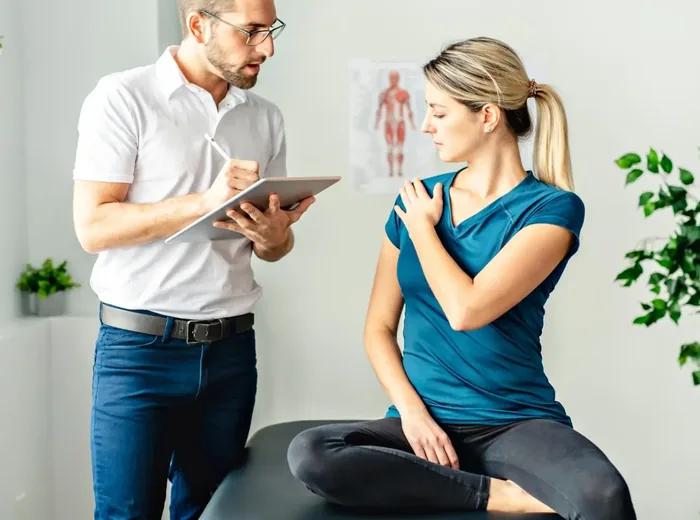
Chronic Pain
Pain that outlasted the injury. We change how the system responds, not just the tissue.
Ready when you are.
Fri: 7:00am - 3:40pm