Shoulder Pain Treatment in Swansea
Reaching into the back seat, fastening a seatbelt, sleeping on that side: the list of things you quietly work around keeps getting longer. Shoulder pain is not one problem, so the first job is finding out which one you actually have.
What causes shoulder pain?
Your shoulder trades stability for range. It moves further than any other joint you own and depends on tendon, capsule, and timing to stay centred while it does. That is why the same dull ache can be coming from a tendon, a bursa, the joint capsule, the cartilage rim, or the joint surface itself, and each of those wants a different plan. Sorting out which structure is complaining is the entire purpose of the first visit.

The cuff tendons hold the ball of the joint centred in a shallow socket, and they can be strained by repeated load or torn by a fall or a sudden lift. The signature is pain with overhead reaching plus weakness carrying or lifting, and the ache that wakes you when you roll onto that side. Because the diagnosis and the recovery path are their own subject, we cover them in detail on our rotator cuff tears page.
There is a narrow corridor between the top of your arm bone and the bony roof above it, and the cuff tendon and bursa pass through it. When control of the shoulder blade slips or the cuff fatigues, the ball rides slightly high and those soft tissues get compressed on the way up. You feel it as a sharp pinch in a specific arc of reaching, usually between shoulder height and overhead.
Bursae are small fluid-filled sacs that let tendon glide over bone without friction. Repeated compression inflames them, and an inflamed bursa is tender, thickened, and painful even at rest. Bursitis is usually the consequence of a mechanical problem rather than an event of its own, so calming it and correcting what compressed it are halves of the same job.
In adhesive capsulitis the capsule surrounding the joint thickens and contracts, and motion is lost in a recognisable order, with turning the arm outward going first. It often follows an injury, a surgery, or a stretch of time the arm was held still. It also moves through stages, and treatment that helps in the stiff stage aggravates the painful early one, so the plan changes as the shoulder does.
The labrum is the cartilage rim that deepens the socket and anchors the shoulder ligaments. Damage there tends to feel different from tendon pain: catching, a deep click, or a sense that the joint shifts under load in overhead or behind-the-body positions. Some labral injuries settle with restored control and strength, and some need an orthopaedic opinion, which we will say directly if the testing points that way.
Degenerative change on the joint surfaces produces stiffness that is worst in the morning, a grinding quality through mid-range, and a slow loss of rotation you notice when reaching behind your back. What the joint looks like is not what decides your day. Strength and mobility around that joint are what determine how much it limits you.
Plenty of shoulders hurt with no injury at all. Long hours in a rounded position, repeated overhead work, and muscles firing out of sequence wear the joint's tolerance down until ordinary reaching hurts. Some of that pain is not from the shoulder at all: the neck refers symptoms into the shoulder and upper arm, so we screen it before treating the joint. If the neck turns out to be the source, our neck pain page covers that path.
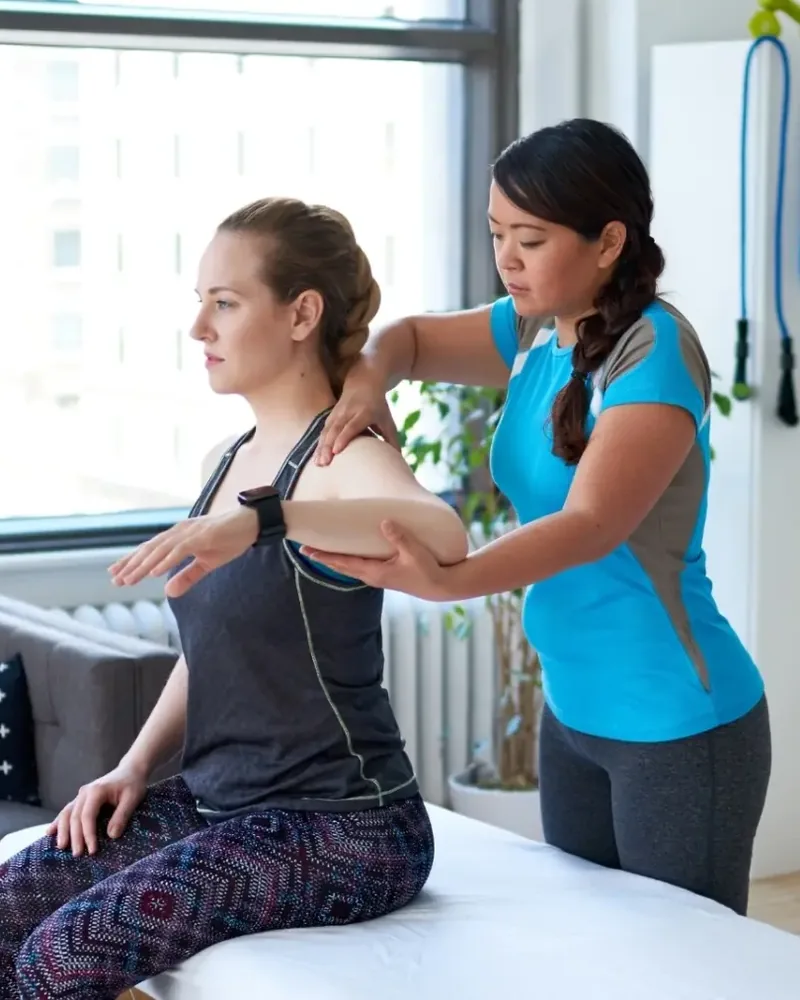
How physical therapy in Swansea helps.
Most shoulder complaints respond well to conservative care, and that care starts with testing rather than assuming. We measure range of motion, test the cuff and the muscles around the shoulder blade for weakness, assess how the joint itself glides, screen the neck and nerves, and watch your posture under load. A few shoulders do need a surgical opinion, and a full-thickness cuff tear or a significant labral injury is one of them. We will tell you that plainly instead of keeping you in a plan that cannot get there.
When conservative care is the right road, manual therapy does the early work: joint mobilization to give the shoulder its motion back, soft tissue release for the muscles holding it hostage, and trigger point work for pain spreading into the neck and arm. Dry needling is there for the taut bands that will not release by hand. Then we rebuild: cuff strengthening, shoulder blade stabilization, and progressive resistance added at a rate the joint tolerates. If your shoulder has to throw, swim, or work overhead again, sports rehab handles that return. Every session is 40 minutes, one on one with a licensed physical therapist, in Swansea or Providence.
What to expect from your recovery.
Naming the source
Range of motion, strength testing, joint mobility, a neurological screen, and postural analysis, run in a sequence designed to rule structures in and out. Two of our clinicians are board-certified orthopaedic clinical specialists, and this is exactly the kind of question that training answers. You leave the first visit knowing what we think it is and what the next few weeks look like.
Motion before load
A shoulder that cannot move well will not tolerate strengthening, so hands-on work comes first. We mobilize the joint, release the tissue that is limiting it, and settle the compression that has been feeding the pain. Most patients come 2 to 3 times a week through this stage.
Strength that holds
Once motion is back we load the cuff and the shoulder blade muscles in the positions where the shoulder failed you, not just in easy ranges. Reaching, lifting, sleeping on that side, and overhead work come back in that order. You also leave with the ergonomic changes and the home program that keep the progress after discharge.
They are totally amazing therapists!!They helped me regain motion in my left arm after four months of me letting a fractured bone heal itself.
Pain rarely travels alone.
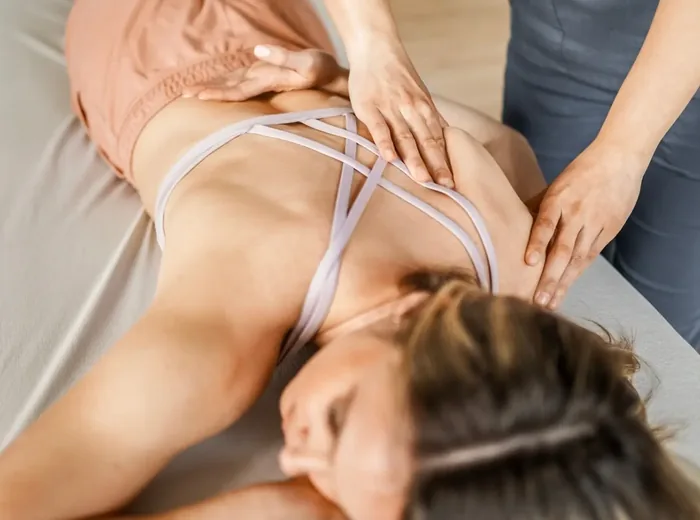
Rotator Cuff Tears
Pain worse at night, weakness when you lift. A graded plan, with or without surgery.
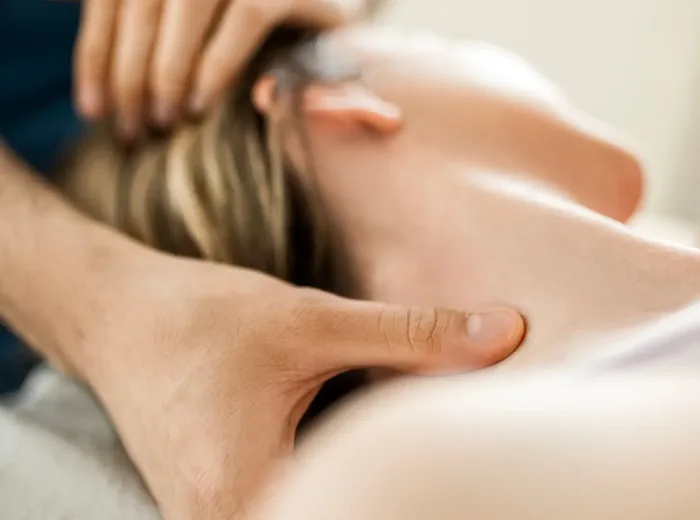
Neck Pain
Stiffness, radiating pain and the headaches that come with it. We treat the neck and what is pulling on it.
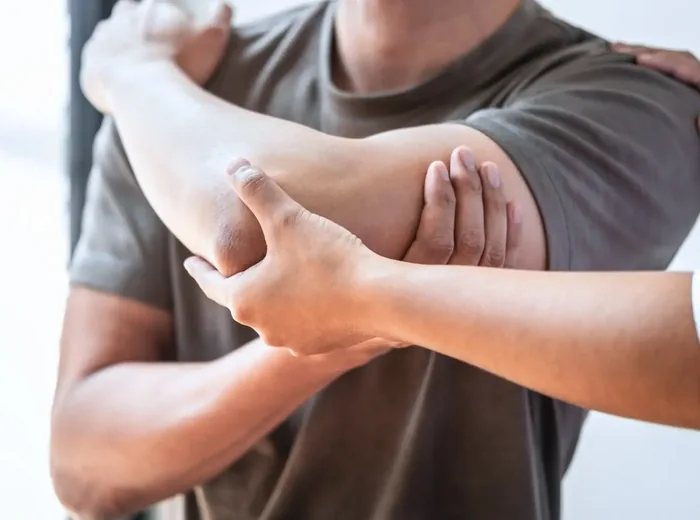
Elbow, Wrist & Hand Pain
Grip that fails, numbness in the fingers. We follow the problem up the whole chain.
Ready when you are.
Fri: 7:00am - 3:40pm