Elbow, Wrist & Hand Pain Treatment
Your hand wakes you at night, the jar lid keeps winning, and typing costs you something by mid-afternoon. Hands are the hardest thing in the body to rest, which is exactly why this kind of pain drags on.
What causes elbow, wrist, and hand pain?
Your hands and forearms repeat the same small motions all day, which makes them easy to overload and very hard to rest. Pain here usually comes from one of three places: a tendon being asked for more than it can recover from, a nerve compressed somewhere along its path from the neck to the fingertips, or a joint that has lost movement it needs. They behave differently and need different treatment, so the first job is telling them apart. If your pain sits right on the bony point of the outer or inner elbow and flares with gripping, that is tendinopathy, and we go into it in detail on our tennis and golf elbow page.
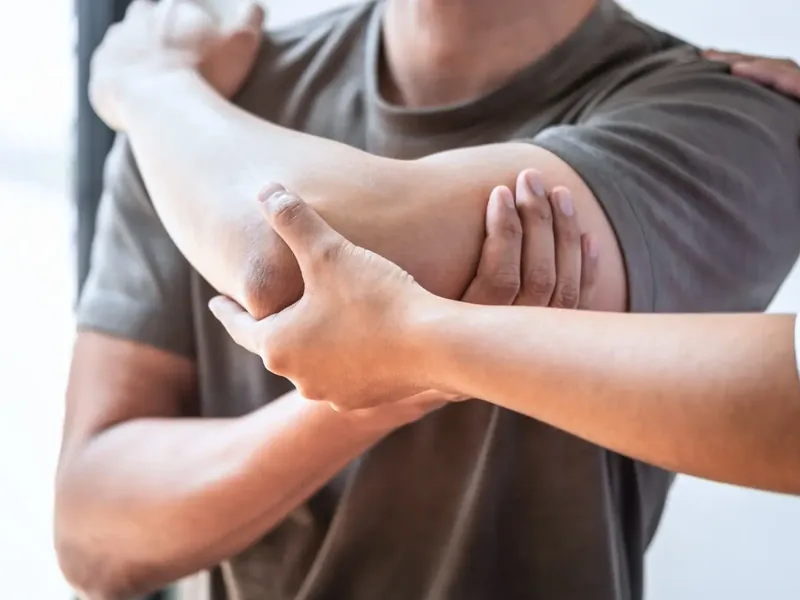
Gripping, lifting, twisting and typing are small loads repeated so often that the tissue never gets a full recovery window. Tendons answer that by thickening and becoming painful, and joints answer by becoming irritated and stiff. The pattern is usually recognizable: fine at first, sore after the activity, then sore during it, then sore at rest.
Nerves travel through narrow tunnels at the wrist and on the inside of the elbow, and swelling, sustained positions or repetitive load can crowd them. Compression rarely feels like ordinary pain. It shows up as numbness, pins and needles, a hand that falls asleep at night, or weakness that arrives without much soreness. Because the same nerves run through the forearm, elbow and neck, we screen the whole path instead of only the spot you feel it.
A keyboard at the wrong height, a tool held at an angle, a mouse that keeps the wrist cocked back: awkward positions held for hours put low-grade tension on tissue all day long. None of it feels dramatic in the moment, which is why it gets missed. Changing the position changes the load, and it is often the difference between improving and plateauing.
A fall onto an outstretched hand, a crush injury or a hard impact can sprain ligaments, fracture small bones or bruise a nerve. Even after the break has healed and the sprain has settled, the joint is usually left stiff and the surrounding muscles weak, and that residual loss is what keeps hurting. Rehab restores the movement and strength the injury took.
Wear in the joints of the thumb, fingers and wrist produces pain, swelling and stiffness that is usually worst in the morning and after use. A joint that hurts gets used less and gripped around differently, so lost movement compounds the original problem. Loading those joints carefully and keeping the surrounding muscles strong is what protects day-to-day function.
Grip does not come from the hand alone. It depends on the forearm muscles, a stable wrist, and a shoulder and shoulder blade giving the arm something to work against. When any of that is weak or badly positioned, the hand compensates and small structures take load they were never built for. Losing grip strength is often a signal from further up the arm.

How physical therapy helps.
The first thing that happens is a proper look. We analyze the activity that provokes it, assess posture and alignment from the shoulder blade down, test strength and flexibility by hand, screen for nerve and circulation involvement, and go through your injury history. Once we know which tissue is driving it, Manual Therapy restores movement to stiff wrist, elbow and finger joints and releases the forearm muscles pulling on the painful area. Myofascial Release addresses the broader, more diffuse restriction that builds through a forearm which has been guarding for months. Where a forearm muscle stays locked in a tight, tender band that will not let go with hands-on work alone, Dry Needling gives us a way into it directly. Then we load it: graded strengthening through the forearm, wrist and hand, plus movement retraining so grip and reach happen with the elbow and shoulder contributing properly. We also fix the position your arm lives in all day, because no treatment outruns the workstation that caused the problem. Sessions run 40 minutes, one-on-one, in Swansea or Providence, and the aim is that you keep working while you get better.
What to expect from your recovery.
A five-part evaluation
We start with the five things that tell us what is going on: activity and movement analysis, a postural and alignment assessment, hands-on strength and flexibility testing, a nerve and circulation screen, and a review of your medical and injury history. That combination separates a tendon problem from a nerve problem from a joint problem, and each needs different treatment. You will hear plainly which one you have.
Calm it down, get it moving
Early sessions reduce irritation and restore the movement the elbow, wrist or hand has lost, using hands-on work and gentle graded loading. At the same time we change what you do between visits: how the tool is held, where the keyboard sits, which hand carries the bag. Most people notice the difference first in the activities that used to set off a flare.
Build it back and keep it
Then we strengthen deliberately and progressively through the grip, forearm, elbow and shoulder, and retrain the movement patterns that overloaded the area in the first place. We keep going until you can do your actual work without paying for it the next day. You leave with a program to hold that strength and a clear idea of what to change if symptoms creep back.
I had a wonderful experience with Greg at his namesake company. I was having problems with my tennis elbow and his professional expertise really shinned through. He corrected my issue quickly when nobody else could.
Pain rarely travels alone.
Tennis & Golf Elbow
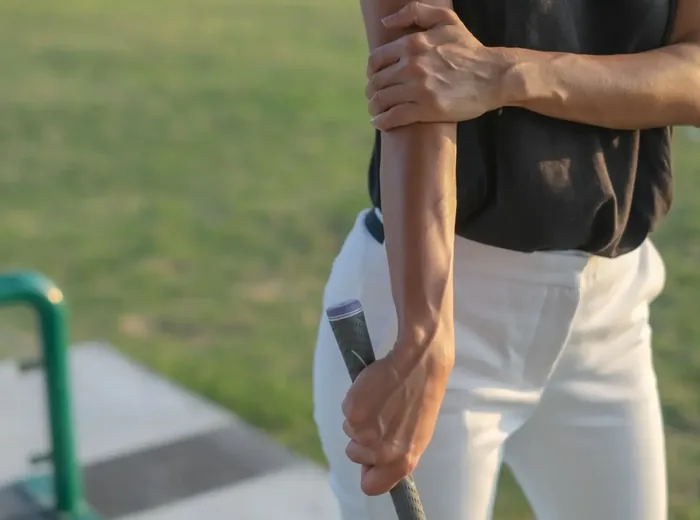
Burning at the elbow, tenderness through the grip. Load the tendon properly and it settles.

Shoulder Pain
Reaching, sleeping, lifting overhead. Mobility first, then strength that holds.
Nerve Pain
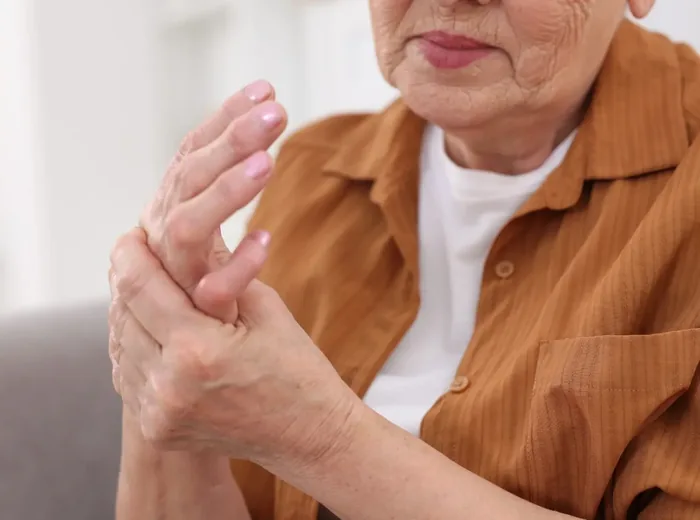
Tingling, burning, electric shocks down a limb. We find where the nerve is being crowded.
Ready when you are.
Fri: 7:00am - 3:40pm