Functional Movement Screening (FMS) in Swansea, MA
Nothing hurts right now, and you would like to keep it that way. A screen tells you where your weak links are before a season finds them for you.
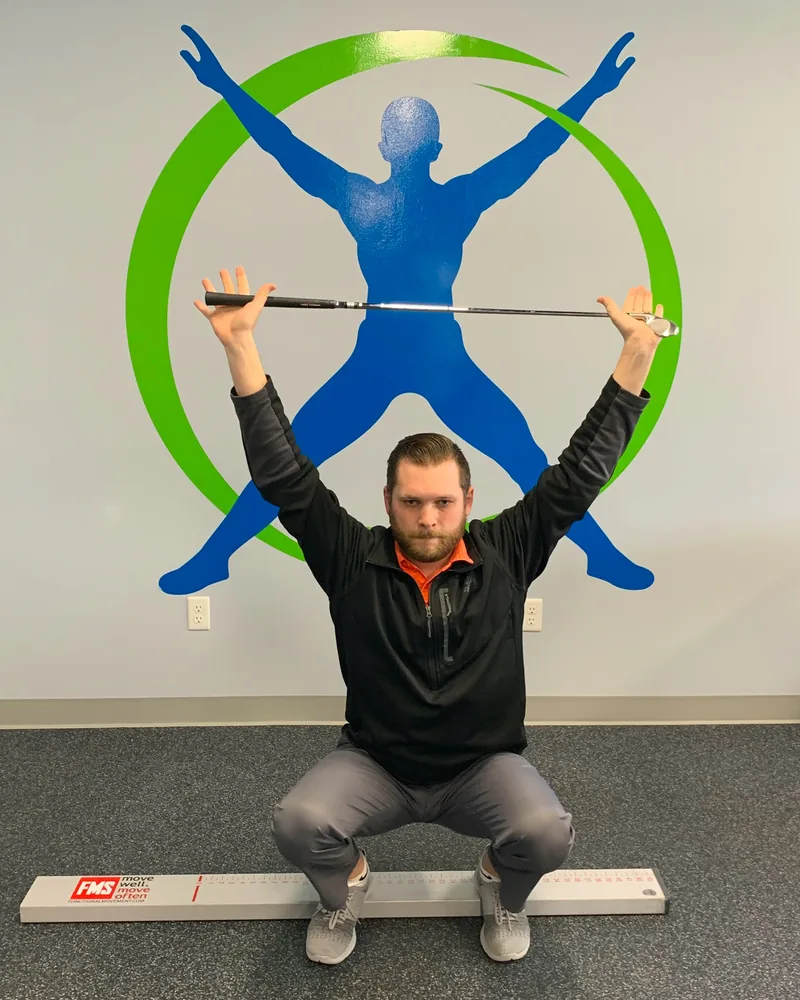
What is Functional Movement Screening (FMS)?
The FMS is a screen, and the distinction matters. It is seven standardized movements, performed up to three times each, scored against fixed criteria: the deep squat for overall coordination and symmetry, the hurdle step for stride mechanics, the in line lunge for hip and trunk control, shoulder mobility for range on both sides, the active straight leg raise for flexibility and core control, the trunk stability push up for spinal stability, and rotary stability for trunk control in more than one plane. Every movement earns zero, one, two, or three. Three means you own the pattern cleanly. Two means you finished it but compensated to get there. One means you could not complete it. Zero means the movement hurt. Add the seven together for a composite out of twenty one, then look at the more useful half of the result: a left versus right comparison on every pattern that has a side.
What you get out of it is a written map of movement limitations and asymmetries. It identifies where you compensate and where one side is carrying work the other side should be sharing. It does not predict specific injuries, and we will not pretend otherwise. Its real value is that it converts a vague sense of being slightly off into a number that can be repeated, so the same screen in three months actually means something. If a movement produces pain, screening stops and we evaluate instead, using the Selective Functional Movement Assessment. If you want those scores turned into a single risk category compared against athletes like you, your FMS results and your Y Balance Test numbers are what the Move 2 Perform algorithm runs on. Dr. Greg Specht is an instructor for Functional Movement Systems, the organization behind the FMS, and screens run at both Swansea and Providence.
Who it's for.
Screening is for people who are not currently in pain. If something hurts, an SFMA evaluation is the right starting point instead. These three are who the screen was built for.
Preseason, with nothing wrong yet
You are healthy and about to add a large amount of training volume. A baseline recorded now is the number every later screen gets compared against, which turns a hunch about your left ankle into something on paper.
Cleared to play, but never measured
Cleared often just means the pain stopped. The screen shows whether the movement pattern genuinely came back or whether the healthy side has quietly taken over the work, which is the thing that tends to follow you into next season.
A full roster to get through
The protocol is identical for every athlete, so results are comparable person to person and year to year. That lets a coach see patterns by position and spend limited prevention time on the athletes whose scores actually call for it.
What to expect from your screen.
The screening itself is fast and identical for everyone, which is exactly what makes the numbers worth keeping. The part that takes time is afterward, where we go through what the scores mean for the way you train.
What you play and what you have done
Sport, position, current training load, and every injury worth knowing about. Two identical composite scores can mean different things for a distance runner and a lineman, so context comes first.
The seven patterns, scored
You get up to three attempts at each movement and no coaching during them. We want the pattern you own right now, not the one you can produce after being told what we are looking for.
Asymmetry, then the total
We read the left and right columns side by side before we look at the composite. A two on one leg and a three on the other is often the most actionable line in the whole screen.
What changes because of it
Corrective work is aimed at the lowest scoring patterns and built into your existing training rather than bolted on beside it. Then we rescreen, because the only way to know the pattern moved is to score it again.
A zero means pain appeared during a movement, and pain ends the screen. That is not a failure on your part, it just means a screen is the wrong tool for what you have going on, so we move you into a full evaluation instead.
I can’t say enough about Specht in Swansea. My physical therapist was fantastic! He explained everything in detail so that I understood exactly what my issue in my hip was.
Where to go next.
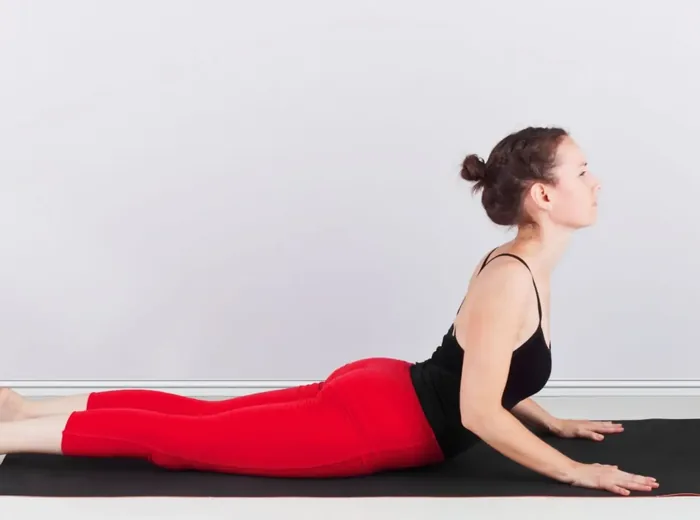
Selective Functional Movement Assessment
The evaluation we build every plan on. It finds the cause, which is rarely where it hurts.
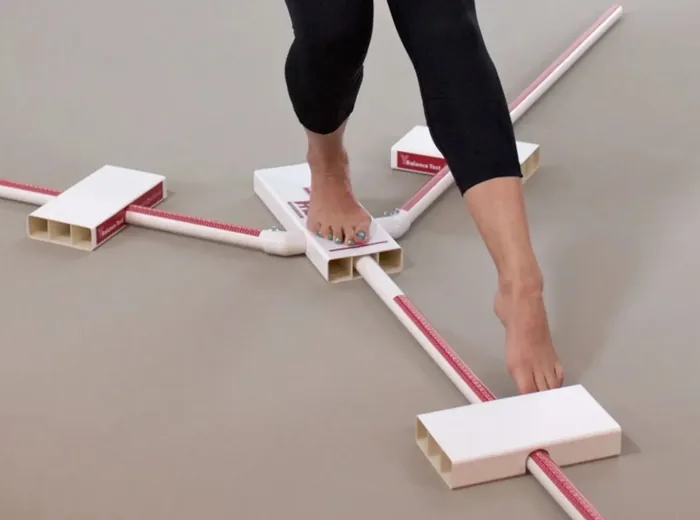
Y Balance Test
A measured test of single-leg control and side-to-side difference. Numbers, not opinions.

Sports Injuries
Return-to-play built around your sport, your position and your actual timeline.
Ready when you are.
Fri: 7:00am - 3:40pm