Y Balance Test in Swansea, MA
Both legs feel fine while you are standing on two of them. The single leg version of you is where the difference usually hides, and this is how we measure it.
What is the Y Balance Test?
The Y Balance Test is a measurement, and it hands you numbers you can hold us to. You balance on one leg on the test platform and push a reach indicator as far as you can control it in three directions: straight ahead, back and toward the middle, and back and away to the side. The stance foot stays planted the entire time, which is why the test is really about control rather than flexibility. Each reach distance is recorded, scaled to the length of your leg so that a tall athlete and a short one can be compared fairly, and then the whole thing is repeated on the other side. What you end up with is two columns of numbers: how far your right leg reaches in each direction, how far your left leg reaches, and how much daylight sits between them.
That gap is the entire point. A side to side difference in single leg control is one of the more useful things we can measure in the lower body, because it shows up in the numbers well before you notice it in a game. It is a risk indicator, not a verdict, and we will say so out loud: no reach test decides on its own whether you are ready to play. What it does is replace an opinion about your leg with a measurement of it, and give us something specific to retest so you can watch the gap close. It comes from the same Functional Movement Systems family as the FMS, which Dr. Greg Specht teaches to other clinicians, and it runs at Swansea and at Providence. Test both, and the Move 2 Perform algorithm can turn the two sets of results into a single risk category.
Who it's for.
This test is about the lower body and about one leg at a time. It earns its place when the decision in front of you depends on how your two sides compare.
Coming back from an ACL or an ankle
The injured leg has spent months doing less than the other one, and it rarely announces when it has caught up. Measured reaches on both sides turn the return decision into a comparison you can see instead of a feeling you are hoping to trust.
Preseason in a cutting or jumping sport
Basketball, soccer, lacrosse, volleyball: sports that live on one leg at a time. Getting a healthy baseline on record before the season means that if something goes wrong in October, we already know what your normal looked like.
The same side keeps letting go
Same ankle, same hamstring, same knee, every year. When one side keeps failing, the honest first question is whether that side has been quietly doing less all along, and a reach difference is something you can actually train away.
What to expect from your test.
It is a physical test, so you will be working, but it is short and there is nothing to study for. Most of the care goes into making the measurement clean enough to be worth comparing later.
Setup and leg length
Your therapist measures your leg so that reach distances can be scaled to your own body. Without that step, a long limb looks like an advantage and a short one looks like a deficit, and neither reading would be true.
Practice reaches
You get familiar attempts in each direction before anything counts. We are measuring how well you control a single leg, not how quickly you figure out an unfamiliar platform, so the practice reps are part of the protocol.
Recorded reaches, both legs
Then the scored attempts, three directions per leg. A reach only counts if the stance heel stays down and you do not use the reaching foot for support, which is why some big reaches get thrown out and repeated.
Reading the numbers together
You see both columns and we point at the direction and the side where the gap sits. That decides which corrective work you leave with, and we set the date to retest so the change gets measured rather than assumed.
This is a measurement, not a grade. A wide gap between your legs is not a sentence, it is a target, and the retest is the part that makes it real. Wear shorts or something you can move freely in.
I Received fantastic rehab from Zack Pereira after my knee replacement. I could not be more pleased with his effort and the results. Thanks for everything.
Where to go next.
Functional Movement Screening (FMS)
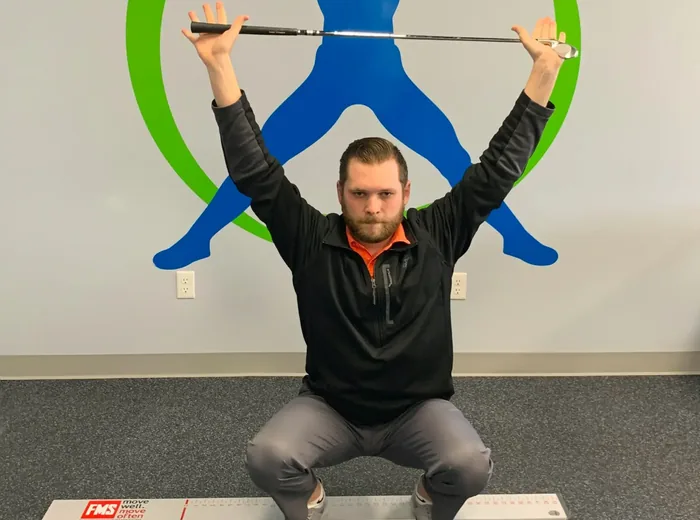
Seven movement patterns, scored, to show which limitation is doing the damage.
ACL Tear
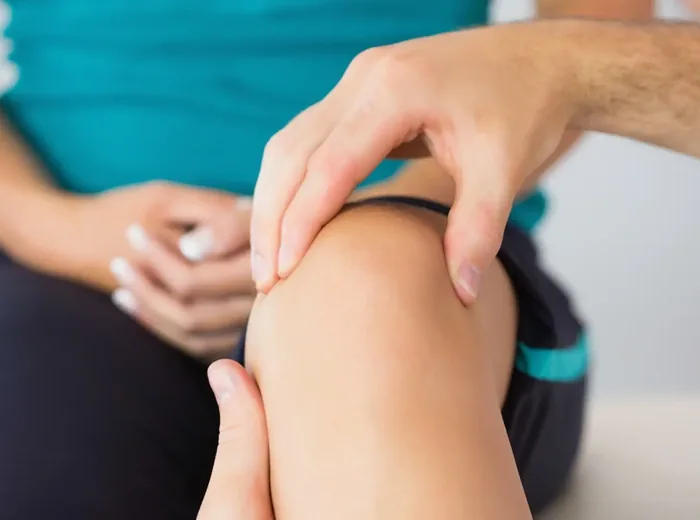
Rebuild strength and stability after an ACL injury, and return to sport tested, not guessed.
Sports Rehab
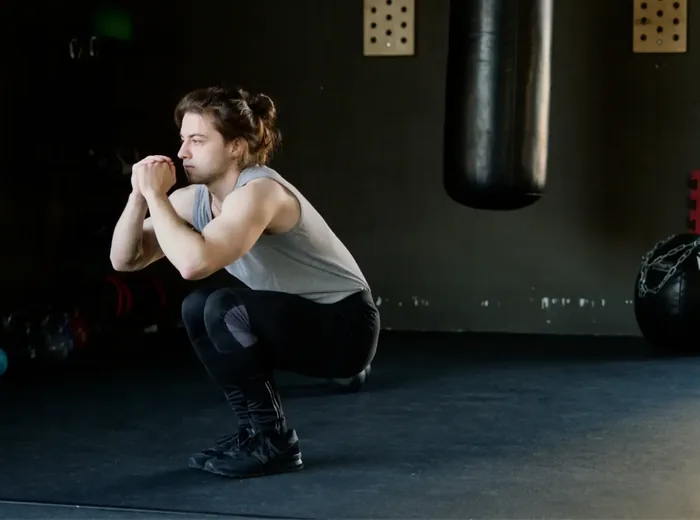
Rehab that ends where your sport begins, with the loads and speeds it demands.
Ready when you are.
Fri: 7:00am - 3:40pm